
Getting your website to appear on Google’s first page in 2026 is no longer just about adding keywords and building backlinks. Many people still ask how to get website on Google first page, but the answer today goes far beyond traditional SEO tactics. Modern search engines are powered by advanced AI, user-experience signals, and content quality metrics that prioritize real value over shortcuts and manipulation.
With millions of websites competing for attention, learning how to get website on Google first page now requires a smart combination of technical SEO services, genuinely helpful content, fast website performance, and meaningful user engagement. Whether you’re a business owner, blogger, or digital marketer, understanding how Google evaluates websites is the foundation for building long-term visibility and rankings. In this article, we’ll explore the most effective and up-to-date strategies to help your website stand out and stay ahead in 2026.
How to Get Your Website on Google First Page: Step-by-Step Process
Reaching Google’s first page takes more than luck; it requires a structured, step-by-step approach. From researching the right keywords and creating high-quality content to optimizing technical SEO and building strong backlinks, each stage plays an important role in improving your rankings. By consistently analyzing performance, enhancing user experience, and adapting to Google’s evolving algorithms, you can steadily move your website toward the top search results and achieve long-term online visibility.
1. Understand How Google Ranks Websites
Google uses hundreds of ranking factors to get your website on google first page, but they mainly focus on:
- Content quality and relevance: Google prioritizes content that directly answers user questions, provides real value, and matches search intent. Well-written, original, and up-to-date content helps Google understand what your page is about and rank it higher.
- User experience (speed, mobile usability): Websites that load quickly and work smoothly on mobile devices perform better in search results. A clean layout, easy navigation, and fast pages keep users engaged and reduce bounce rates.
- Website authority and backlinks: Backlinks from trusted websites act as “votes of confidence.” The more high-quality links your site receives, the more authoritative Google considers it, which boosts rankings.
- Technical SEO: Technical SEO ensures search engines can properly crawl and index your website. This includes secure HTTPS, sitemap setup, clean URLs, structured data, and fixing broken links.
- Engagement signals: Google analyzes how users interact with your site including time spent on pages, clicks, and return visits. Positive engagement shows Google that your content is helpful and relevant.
Your goal is to optimize all of these together, not just one
2. Do Proper Keyword Research
If you want to know how to get website on google first page, Start by finding what people actually search for.
Use tools like:
- Google Keyword Planner: A free tool from Google that helps you discover keyword ideas, search volumes, and competition levels. It’s especially useful for beginners and for planning Google Ads campaigns.
- Ahrefs: A powerful SEO tool that provides deep insights into keyword difficulty, competitor rankings, backlinks, and content performance. Ideal for advanced SEO research and competitor analysis.
- SEMrush: An all-in-one digital marketing platform that helps you research keywords, track rankings, analyze competitors, and audit your website’s SEO health.
- Ubersuggest: A user-friendly keyword research tool that offers keyword suggestions, traffic estimates, and SEO difficulty scores. Great for small businesses and beginners looking for affordable SEO insights.
Choose keywords that have:
- Medium search volume
- Low to medium competition
- Clear search intent
Focus on long-tail keywords like:
“best SEO tips for small businesses” instead of just “SEO.
3. Create High-Quality, Helpful Content
Google rewards content that genuinely helps users.
Your articles should:
- Answer real questions: Your content should directly solve problems or answer what users are searching for. This builds trust, improves engagement, and increases your chances of ranking higher.
- Be easy to read: Use simple language, short paragraphs, and clear headings. Easy-to-read content keeps visitors on your page longer and improves user experience.
- Include images or diagrams: Visuals help explain complex ideas faster and make your content more engaging. They also improve time on page and support better SEO performance.
- Be updated regularly: Refreshing your content keeps it relevant and signals to Google that your website is active, which can help maintain or improve rankings.
- Go deeper than competitors: Offer more detailed, valuable information than competing pages. Cover topics thoroughly to establish authority and stand out in search results.
Aim to become the best resource on your topic.
4. Optimize On-Page SEO
Every page should include:
- Keyword in title tag: The title tag tells Google what your page is about. Including your main keyword helps improve relevance and increases click-through rates from search results.
- Keyword in URL: A clean URL with your keyword makes your page easier to understand for both users and search engines, improving SEO clarity.
- Meta description: This short summary appears in search results and encourages users to click. While it doesn’t directly affect rankings, it strongly influences traffic.
- H1 and H2 headings: Headings organize your content and help Google understand page structure. The H1 should include your main keyword, while H2s support related topics.
- Image alt text: Alt text describes images for search engines and accessibility tools. It helps images rank in Google Image Search and improves overall SEO.
- Internal links: Internal links connect your pages together, helping users navigate your site and allowing Google to discover and rank your content more efficiently.
Also, make sure your content flows naturally, and avoid keyword stuffing.
5. Improve Website Speed and Mobile Experience
In 2026, Google prioritizes performance.
Make sure your site:
- Loads in under 3 seconds: Fast-loading websites provide a better user experience and reduce bounce rates. Google favors quick sites because users are more likely to stay and engage.
- Is mobile-friendly: With mobile-first indexing, Google primarily evaluates the mobile version of your site. A responsive design ensures usability across all devices and improves rankings.
- Has clean navigation: Clear and simple navigation helps users find information quickly and allows search engines to crawl your site more efficiently.
- Uses compressed images: Compressed images reduce page size without losing quality, helping pages load faster while maintaining visual appeal.
Tools like Google PageSpeed Insights can help you identify issues and get your website on google first page sooner.
6. Build High-Quality Backlinks to get your website on google first page
Backlinks act like votes of trust.
You can earn them by:
- Guest posting: Writing articles for reputable websites in your industry helps you earn high-quality backlinks while increasing your brand visibility and authority.
- Creating shareable content: Content like guides, infographics, and case studies encourages others to link to your site naturally because it provides real value.
- Reaching out to bloggers: Direct outreach to bloggers and website owners can help you secure backlinks by offering useful content, collaborations, or expert insights.
- Listing your site in directories: Submitting your website to relevant, trusted directories improves visibility and provides foundational backlinks. Avoid low-quality or spam directories.
- Publishing original research: Unique data, surveys, or studies attract organic backlinks because other websites reference your findings as a credible source.
Generally, focus on quality over quantity. A few high-authority backlinks are far more valuable than many low-quality links. Quality links build long-term trust with Google.
7. Use Technical SEO
Technical SEO ensures Google can properly crawl your site and rank it on the first page.
Key actions:
- Submit sitemap to Google Search Console: A sitemap helps Google discover and index your pages faster by showing the structure of your website and its most important URLs.
- Fix broken links: Broken links harm user experience and waste crawl budget. Fixing them helps search engines navigate your site smoothly and improves site quality.
- Use HTTPS: HTTPS secures your website by encrypting data between users and the server. Google considers it a ranking factor, and users trust secure sites more.
- Optimize Core Web Vitals: Core Web Vitals measure page loading speed, interactivity, and visual stability. Optimizing them improves user experience and search rankings.
- Add structured data: Structured data helps Google better understand your content and can enable rich results like FAQs, reviews, and star ratings in search results.
8. Leverage AI and User Intent in 2026
Modern SEO is about understanding user intent.
Google now evaluates:
- How long users stay: When visitors spend more time on your pages, it signals that your content is useful and relevant. This positive behavior helps Google assess content quality and ranking potential.
- Whether they scroll: Scrolling shows user interest and engagement. If visitors explore your content instead of leaving immediately, it indicates that the page is meeting their expectations.
- If they return: Returning users demonstrate trust and satisfaction. Google sees repeat visits as a strong indicator of value, helping websites get on Google first page results more consistently.
Create content for humans first, algorithms second.
Why Getting on Google First Page Matters for Your Website
Appearing on Google’s first page is crucial because most users never look beyond the top results when searching online. A first-page ranking increases your website’s visibility, attracts more organic traffic, and builds trust with potential visitors, as people naturally see top-ranked sites as more credible. It also gives you a competitive advantage, helping your brand stand out in crowded markets while generating higher leads and conversions, all without relying heavily on paid advertising. In today’s digital world, first-page placement isn’t just helpful; it’s essential for online growth.
Ways to Get Your Website on Google First Page
If you’re asking how to get my website on google first page, you should know that getting your website on Google’s first page requires a combination of quality content, smart SEO practices, and consistent optimization. By targeting the right keywords, improving site speed, creating helpful content, and building trustworthy backlinks, you can increase your chances of ranking higher. Focusing on user experience, mobile friendliness, and technical SEO also plays a major role. When these strategies work together, they help your website gain visibility, attract organic traffic, and compete effectively in search results.
SEO (Search Engine Optimization)
SEO, or Search Engine Optimization, is the process of improving a website’s visibility in search engines like Google and it is one way to get your website on google first page. It focuses on optimizing content, keywords, website performance, and user experience to attract organic traffic. Effective SEO helps businesses rank higher in search results, build credibility, and reach their target audience without relying solely on paid advertising. In today’s digital world, SEO is essential for sustainable online growth.
Google Ads
Google Ads is an online advertising platform that allows businesses to promote their products or services directly in Google search results and across its partner networks. It works on a pay-per-click model, meaning advertisers only pay when users click on their ads. With advanced targeting options, measurable performance data, and flexible budgets, Google Ads helps businesses reach the right audience quickly, drive traffic, and generate leads while maintaining full control over campaign spending.
How Long Does It Take to Get on Google First Page?
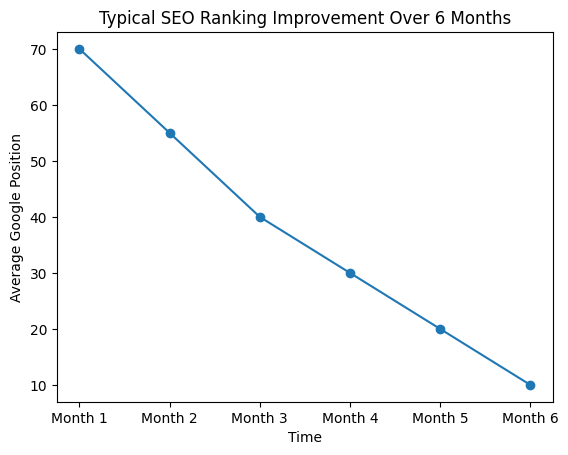
Getting your website on Google’s first page doesn’t happen overnight. Depending on factors like competition, content quality, domain authority, and SEO strategy, it can take anywhere from a few weeks to several months (3 to 6 months). New websites typically need more time, while established sites may see faster results. Consistent optimization, high-quality content, and strong backlinks can significantly speed up the process, but patience and persistence remain key to achieving lasting rankings.
Get Your Website on Google First Page With Goognetic
Goognetic helps businesses boost their online visibility by using proven SEO strategies designed to drive real results. From keyword optimization and high-quality content to technical SEO and backlink building, as a google ads agency in dubai Goognetic offers a complete approach to improving search rankings. With data-driven methods and ongoing performance tracking, Goognetic empowers your website to reach Google’s first page faster, attract targeted traffic, and achieve sustainable growth in today’s competitive digital landscape.
Frequently Asked Questions (FAQ)
Is ranking on Google’s first page still possible for new websites?
Yes. New websites can rank on Google’s first page by targeting low-competition keywords, publishing helpful content consistently, and building authority over time. While older domains may have an advantage, a smart SEO strategy allows new sites to compete effectively.
What are the biggest SEO mistakes that prevent first-page rankings?
Common mistakes include keyword stuffing, slow page speed, poor mobile design, thin content, ignoring technical SEO, and buying low-quality backlinks. These issues confuse search engines and harm ranking potential.
Does website design affect Google rankings?
Yes. Google favors fast-loading, mobile-friendly, and user-focused designs. Clean navigation, readable layouts, and clear call-to-actions improve user experience, which positively impacts SEO.
How important is content freshness in 2026 SEO?
Very important. Regularly updating old articles and publishing new content signals activity and relevance to Google. Fresh content helps maintain rankings and adapt to changing search trends.
Should I focus more on AI tools or human-written content?
AI tools help with research and optimization, but human-written content is essential for authenticity, creativity, and trust. Google prioritizes helpful, experience-based content over automated articles.
Can social media improve Google rankings?
Social media doesn’t directly affect rankings, but it increases visibility, drives traffic, and attracts backlinks all of which indirectly support SEO performance.
What role does website speed play in SEO?
Page speed is a confirmed ranking factor. Faster websites reduce bounce rates and improve user satisfaction, increasing your chances of appearing on Google’s first page.
Is blogging still useful for SEO?
Yes. Blogging helps target long-tail keywords, answer user questions, and establish authority. Consistent blogging strengthens topical relevance and organic traffic growth.
How do Google algorithm updates affect rankings?
Google updates its algorithm frequently. Websites with high-quality content, ethical SEO practices, and good user experience usually benefit, while spammy sites lose visibility.
Can one article rank a whole website?
Not alone. Strong rankings come from a complete SEO ecosystem: optimized pages, internal links, content clusters, technical SEO, and backlinks working together.

